
The first date after divorce can feel strangely high-stakes. You may be sitting across from a kind, attractive person, yet your body is already scanning for danger. Are they too distant? Too eager? Too much like your ex? Not enough like your ex? A dating coach after divorce helps you see that this reaction is not just about the person in front of you. It is about what your past relationship trained you to expect from love.
You do not need someone to hand you clever opening lines or tell you which app has the best prospects. You need a different way of relating. Divorce can blind-sight you into believing the issue was only your former partner, only the betrayal, only the communication breakdown, or only the years you spent trying to make something work. The truth is more demanding and more freeing: your next relationship will ask you to meet the parts of yourself you may have avoided in the last one.
What a Dating Coach After Divorce Actually Helps You See
Dating after a marriage ends is not simply dating with more experience. You are carrying a history. There may be grief, anger, sexual insecurity, financial fear, co-parenting tension, or the quiet loss of the identity you built as a spouse. Even when you are ready to meet someone new, your nervous system may still be organized around protection.
That is where coaching can be useful. A skilled coach is not there to diagnose you or decide who you should date. They help you identify the patterns operating beneath your choices. You may say you want emotional availability while repeatedly feeling chemistry with people who keep you guessing. You may say you value peace while becoming restless with someone who communicates directly and consistently. You may call yourself independent while using distance to avoid the risk of being truly known.
These contradictions are not character flaws. They are clues.
A dating coach can help you slow down long enough to ask better questions. What does attraction feel like in your body? What kind of behavior do you excuse too quickly? When do you abandon your own needs to keep a connection? When does discernment become fear disguised as standards?
The goal is not to become guarded. It is to become conscious.
Divorce Can Create a New Set of Blind Spots
After a painful marriage, many people swing toward an opposite extreme. If they once tolerated emotional chaos, they may become hypervigilant and leave at the first sign of discomfort. If they were criticized for years, they may only date people who admire them, even if those people cannot meet them emotionally. If they felt controlled, they may confuse total independence with healthy partnership.
This is understandable. It is also where people repeat the cycle in a new form.
You can have a long list of red flags and still miss the deeper pattern. You can know attachment language, listen to relationship podcasts, and have years of therapy behind you, yet still choose from an old wound. Knowledge is not always integration. Sometimes you understand the pattern intellectually but your heart still believes familiar pain is safer than unfamiliar love.
A coach helps bring that gap into the open. Not to shame you, but to confront you with compassion. You cannot build a new relationship while protecting an old identity built around disappointment, rescuing, proving, or enduring.
The Difference Between Caution and a Closed Heart
Caution says, “I will take my time and observe whether their actions match their words.” A closed heart says, “I will assume this ends badly, so I will never fully arrive.”
The distinction matters. Healthy dating requires discernment, especially after divorce. You should pay attention to consistency, accountability, emotional availability, and how someone handles conflict. But a wall built to keep pain out will also keep intimacy out.
A dating coach can help you recognize whether your boundaries are protecting your peace or protecting your fear. It depends on your history, your current emotional capacity, and the kind of connection you are trying to create. There is no universal timeline for when you should date again. The better question is whether you can date without asking a stranger to repair what your marriage broke.
The Mind, Heart, and Spirit of Dating Again
Real post-divorce dating work needs more than strategy. At Triple Shot Mindset, the work is viewed through Mind, Heart, and Spirit because your relationship patterns rarely live in only one place.
The Mind asks you to examine your stories, assumptions, communication habits, and decision-making. Are you telling yourself that all good partners are already taken? Do you equate a delayed text with rejection? Are you overexplaining because you learned that your needs had to be defended before they could be heard? Your mind can either help you assess reality or keep you trapped in an old narrative.
The Heart is where grief, longing, resentment, and tenderness live. You may still love your former spouse and know the marriage needed to end. Both can be true. You may feel embarrassed by how much the divorce changed you. You may miss being chosen while fearing the vulnerability of being chosen again. Emotional processing allows you to date without making every new person carry the weight of your unfinished goodbye.
The Spirit asks a deeper question: what was this marriage here to teach you? This does not mean every painful relationship was meant to happen or that you should romanticize harm. It means you can look for meaning without denying reality. Some people understand a past relationship as a karmic bond or soul contract, a connection that exposed lessons they could no longer avoid. Whether that language resonates with you or not, the central invitation remains the same: learn what the experience came to reveal, then stop making a home inside the lesson.
What You Might Work on in Coaching
The best coaching is specific to your patterns, not a generic script for becoming “dating ready.” One person may need to stop rushing intimacy because solitude feels unbearable. Another may need to stop disqualifying emotionally healthy people because calm does not create the familiar rush of anxiety.
You might explore why conflict makes you freeze, why you become defensive when someone asks for reassurance, or why you feel compelled to perform a version of yourself that seems easier to love. You may examine your love language, your attachment-related responses, and the ego defenses that protected you during your marriage but now interfere with connection.
You can also learn to date with clearer pacing. That means noticing whether you are sharing to build trust or oversharing to force closeness. It means allowing interest to develop without inventing a future after two dates. It means asking direct questions and letting the answers guide you, rather than trying to persuade someone to become more available than they are.
This is not cold or transactional. It is self-respect in action.
A Coach Cannot Choose Your Partner for You
There is a trade-off worth naming. Coaching can give you insight, language, and accountability. It cannot remove all risk from love. No one can guarantee that the next person will be your person, or that a good relationship will never bring disappointment.
If you are looking for certainty, dating may continue to feel unsafe. The work is not to become certain. The work is to become anchored enough in yourself that you can face uncertainty without betraying your own needs.
A coach is also not a substitute for trauma-informed therapy when you are dealing with acute trauma, severe anxiety, depression, or the aftermath of abuse. In many cases, coaching and therapy can complement one another. Therapy may help you heal and stabilize the deeper wound. Coaching can help you practice new choices in the living, breathing reality of dating and relationships.
Date From Your Future, Not Your Wound
Your divorce does not have to become the center of every relationship that follows. It is part of your story, but it does not need to write the ending. You can speak about it honestly without making it your whole identity. You can carry the wisdom without carrying every defense.
Before your next date, ask yourself one honest question: am I trying to find someone who makes me feel safe because they never challenge me, or am I becoming someone who can recognize a healthy challenge, communicate through discomfort, and remain connected to myself?
That answer may change the kind of love you allow into your life. Start there. Not with a perfect profile, a perfect match, or a promise that you will never hurt again. Start with the willingness to see yourself clearly, and let that clarity choose differently.
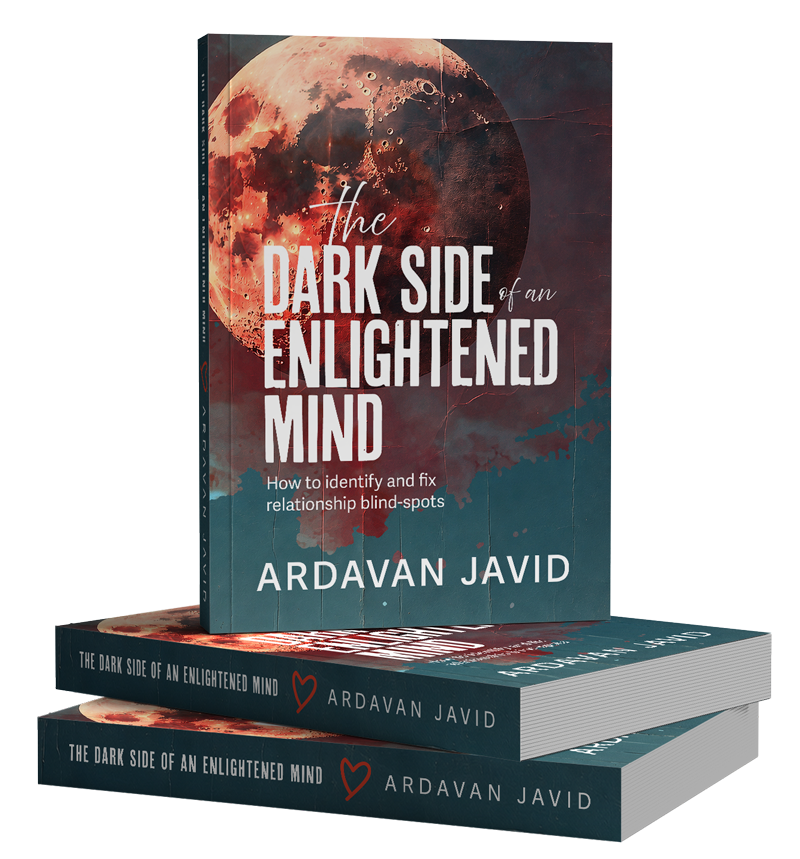

Learn the top signs of emotional flooding, why your body takes over during conflict, and how to pause before fear damages connection and trust fully again.

Read this divorce coaching program review to see what support can look like after separation, from practical clarity to emotional and spiritual healing.

Can marriage survive resentment? Learn how honest accountability, emotional repair, and deeper self-examination can help partners choose a new path now.

What causes emotional shutdown? Learn how trauma, attachment, conflict, and old wounds can make you pull away - and how to reconnect with clarity again.