
You promised yourself this relationship would be different. Different person, different circumstances, different stage of life. Yet somehow, you are having the same fight, swallowing the same needs, or feeling the same familiar ache. Learning how to stop repeating relationship patterns is not about finding a flawless partner. It is about recognizing the part of the cycle that keeps asking for your participation.
That can be painful to admit, especially after a separation, divorce, or a relationship that left you blindsided. But it is also where your power begins. You are not doomed to recreate the past. You do, however, need a different way of relating.
Why the Same Pattern Can Feel Like a Different Relationship
Relationship patterns rarely announce themselves at the beginning. At first, they can feel like chemistry, comfort, intensity, or finally being understood. You may be drawn to someone emotionally unavailable because earning their closeness feels familiar. You may become the fixer because being needed gives you a role. You may avoid conflict because peace once meant survival, even if that “peace” now costs you your voice.
The faces change. The pattern does not.
This is why simply making a list of traits you do not want in a future partner is not enough. You can avoid the obvious version of your former relationship and still choose a new person who activates the same wound. A controlling partner may be replaced by a distant one. Constant fighting may be replaced by polite emotional starvation. The details shift, but your nervous system recognizes the assignment.
There is no shame in this. Patterns are often formed long before adult love. They can come from childhood dynamics, past betrayal, cultural messages about sacrifice, or a marriage where you learned to shrink yourself to keep the connection alive. What once protected you may now be choosing for you.
How to Stop Repeating Relationship Patterns: Start With the Pattern, Not the Partner
When a relationship ends, it is tempting to conduct a case against the other person. Sometimes their choices truly were harmful, dishonest, cruel, or incompatible with the life you wanted. Accountability matters. So do boundaries.
But if every post-relationship reflection ends with their failures, you may miss the information that can change your future. Ask a more confronting question: What did I keep accepting, avoiding, chasing, or controlling?
This is not an invitation to blame yourself for someone else’s mistreatment. It is an invitation to see your blind spots. You can acknowledge that a partner betrayed your trust and still examine why you ignored the early discomfort. You can name emotional neglect and still ask why asking directly for care felt impossible. Both things can be true.
Look beyond the final breakup. Review the relationship in scenes: the first time you felt uneasy, the first need you did not express, the first boundary you explained away, the first argument that felt strangely familiar. Your pattern is usually visible there, before the relationship became a crisis.
Write down what happened without turning it into a courtroom transcript. Then identify your recurring position. Are you the pursuer, the rescuer, the performer, the caretaker, the critic, the disappearing act, or the person who stays hopeful long after reality has spoken? The label is less important than the honesty.
Work the Triple Shot: Mind, Heart, and Spirit
A pattern cannot be changed through insight alone. You may understand exactly why you choose unavailable people and still feel pulled toward them. That is because relationships involve your thoughts, your emotions, and the deeper meaning you attach to love. All three need attention.
Mind: Challenge the Story That Runs Your Choices
Your mind creates rules from past pain. “If I ask for too much, I will be left.” “Love has to be hard to be real.” “I have to prove I am worth choosing.” “If I relax, I will get hurt.” These beliefs may not sound dramatic in your head. They can sound like common sense because you have lived with them for so long.
Start catching the thought before it becomes behavior. When you feel anxious because someone takes longer to reply, notice the story you tell yourself. When you want to avoid a hard conversation, notice the prediction underneath it. Then ask whether you are responding to the person in front of you or to an old emotional file.
This does not mean talking yourself out of valid instincts. Sometimes a concern is a real red flag. The difference is that fear is often urgent and absolute, while discernment can tolerate a pause. Discernment gathers evidence, asks a direct question, and watches whether actions align with words.
Heart: Let Yourself Feel What You Keep Managing
Many people repeat patterns because they are excellent at managing feelings and disconnected from actually feeling them. You may intellectualize your sadness, turn anger into productivity, or rush into dating so you do not have to sit with loneliness. The heart eventually collects what the mind keeps postponing.
Grief deserves room, particularly after a marriage ends. You are not only grieving a person. You may be grieving an identity, a home, a future you planned, or the version of yourself who believed love would unfold differently. If you skip that grief, you may seek a new relationship to anesthetize it.
Emotional processing is not endless rumination. It is the willingness to name what is present without immediately making it someone else’s job to fix it. Anger can reveal a boundary. Jealousy can reveal insecurity or a genuine breach of trust. Longing can reveal a need for closeness. Feelings are information, not instructions.
Learn your love language, but do not use it as a shortcut around emotional responsibility. Knowing that you value words of affirmation helps. So does learning to say, clearly and calmly, “I need more verbal reassurance to feel connected.” A healthy relationship is built through requests, not tests.
Spirit: Ask What This Relationship Came to Teach You
Not every difficult relationship is meant to last. Some are karmic bonds that expose a wound you could no longer avoid. Some feel like a soul contract: a connection that arrives to teach you about self-worth, truth, surrender, or the cost of abandoning yourself.
Spiritual language should never be used to romanticize harm. A painful relationship is not automatically sacred, and no soul contract requires you to remain where you are unsafe, demeaned, or repeatedly betrayed. Sometimes the spiritual lesson is leaving. Sometimes it is learning that forgiveness does not require access to you.
Soul alignment asks a simpler question: does this relationship help you become more honest, grounded, and alive? Not euphoric every day. Not free of conflict. But more yourself. If love repeatedly requires you to betray your values, silence your needs, or confuse chaos with passion, it is not asking you to grow. It is asking you to disappear.
Practice a New Response Before You Need It
Patterns change in small moments, not just dramatic declarations. The next time you want to overexplain a boundary, state it once and stop. The next time you feel compelled to chase reassurance, pause long enough to regulate your body before sending the message. The next time someone shows you inconsistency, believe the pattern rather than the potential.
Expect the new response to feel uncomfortable. Familiar pain can feel safer than unfamiliar health. A steady, emotionally available person may initially seem less exciting if your nervous system is used to unpredictability. That does not mean there is no chemistry. It may mean your body is learning that connection does not have to come with a crisis.
You also need to choose relationships at a pace that lets reality emerge. Chemistry is data, but it is not a character reference. Take time to observe how someone handles disappointment, boundaries, repair, responsibility, and your needs. Let consistency become attractive.
Get Support That Goes Beneath the Surface
Some patterns are difficult to see from inside your own life. You may know something is repeating but not understand the emotional, cognitive, or spiritual thread tying your relationships together. That is where intentional support can help you identify what you have normalized and practice another choice.
At Triple Shot Mindset, the work centers on Mind, Heart, and Spirit because lasting relational change needs more than dating advice or communication scripts. It asks you to look at your defenses, unresolved wounds, attachment-related responses, and the deeper beliefs shaping who you let close.
You do not need to become perfect before you can love well. You need to become more available to the truth. The pattern ends when you stop asking love to recreate the wound and start choosing the kind of connection that honors who you are becoming.
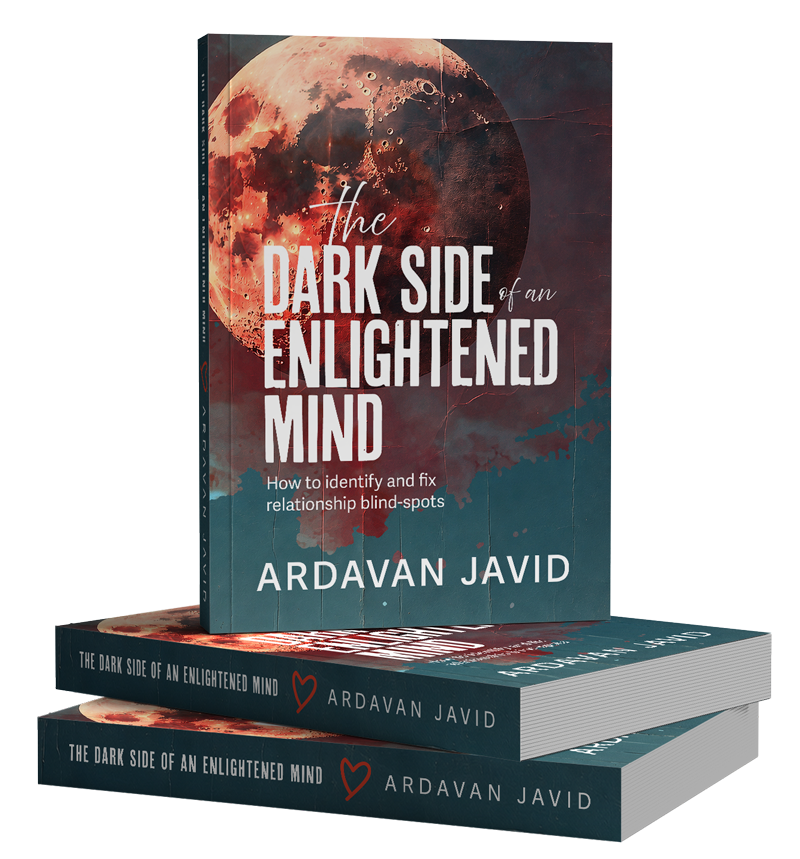

A conscious uncoupling coach helps you face the patterns beneath separation, communicate with clarity, and leave or rebuild without abandoning yourself.

Relationship anxiety can make love feel unsafe. See the patterns beneath fear, rebuild self-trust, and create a more honest, grounded connection today.

Marital resentment rarely begins with one fight. See how unspoken hurt, unequal effort, and old wounds erode connection, and how to face it honestly now.

Therapy versus divorce coaching can both help after a marriage ends. Learn which support fits healing, decisions, and the relationship patterns ahead.