
You tell yourself you want love that is steady, honest, and mutual. Then you find yourself waiting for a text from someone who cannot define the relationship, cannot make room for you, or cannot meet you emotionally. If you have asked, why choose unavailable partners, the answer is rarely that you enjoy being hurt. More often, a part of you has learned that longing feels more familiar than being fully loved.
That realization can sting, especially after separation or divorce. You may have promised yourself you would never repeat the old dynamic. Yet there you are, drawn to the person who is still entangled with an ex, always traveling, emotionally shut down, inconsistent, or just out of reach.
This is not a character flaw. It is a pattern. And patterns are invitations to look beneath the surface.
Why Choose Unavailable Partners When You Want Connection?
Unavailable people can create an intense emotional experience. There is uncertainty, anticipation, chemistry, and the constant hope that one meaningful conversation will finally make them choose you. Your nervous system may confuse that emotional charge with love.
A secure connection often feels different at first. It may be calmer. Less dramatic. There is no chase, no decoding, no need to prove your worth. If chaos has been part of your relationship history, calm can feel strangely empty. You may call it a lack of spark when what you are actually feeling is the absence of familiar anxiety.
This is where honesty matters. You are not simply choosing a person. You may be choosing a relational environment that confirms something you already believe: that love must be earned, that closeness is temporary, or that your needs are too much.
The unavailable partner becomes the stage where an old wound gets replayed. Somewhere inside, you may hope this time you will finally get a different ending. This time, they will soften. This time, they will stay. This time, your love will be enough to change the outcome.
But another person’s availability is not a prize you win through patience, sacrifice, beauty, emotional labor, or spiritual devotion.
The Mind: Familiar Stories Can Blind-Sight You
The mind looks for evidence that supports its existing beliefs. If you learned early on that affection was inconsistent, you may unconsciously scan for people who confirm that template. The mind says, “This feels familiar,” and you mistake familiarity for safety.
You may also build a compelling story around potential. They are wounded. They had a difficult childhood. Their divorce was painful. They are scared. All of those things may be true. Compassion is not the problem. The problem is using someone’s pain to explain away the impact of their behavior on you.
An emotionally unavailable person may not be cruel. They may be doing their best. They may genuinely care. But care without consistency still leaves you alone inside the relationship.
Ask yourself a more confronting question: Am I relating to who this person is showing me they are, or to who I need them to become? Your answer can reveal a communication gap, an attachment pattern, or an ego defense that has been quietly directing your choices.
The work is not to shame yourself for missing the signs. It is to stop negotiating with signs you already see.
Potential is not partnership
Potential can be intoxicating because it keeps your hope alive. Yet a relationship cannot be built on imagined future capacity. It is built on present behavior: follow-through, emotional honesty, repair after conflict, respect for boundaries, and a shared willingness to show up.
When someone repeatedly says they are not ready, believe them. When their actions create confusion, treat confusion as information. You do not need more evidence to honor your own emotional reality.
The Heart: Longing Can Feel Like Love
The heart carries grief that the mind tries to organize. After a marriage ends, many people rush toward dating because they want reassurance that they are still desirable, lovable, or capable of beginning again. That is human. But dating from an unprocessed wound can make unavailability feel magnetic.
You may be trying to receive from a new partner what you have not yet given yourself: validation, protection, permission to rest, or proof that you were not the problem in your previous relationship.
This does not mean you must be perfectly healed before you date. No one arrives at love without history. It means you need enough self-awareness to recognize when your heart is asking a stranger to repair a wound they did not create.
Emotional availability includes your availability to yourself. Can you name disappointment without minimizing it? Can you tolerate loneliness without returning to someone who gives you crumbs? Can you let sadness move through you without turning it into a reason to chase?
These are not small questions. They are the questions that change your standards from “Do they want me?” to “Can we create something emotionally safe together?”
The Spirit: What Is This Pattern Trying to Teach You?
Some connections feel karmic because they expose us so completely. They awaken old pain, deep desire, and parts of us we thought were long buried. That intensity can make it tempting to call the relationship a soul contract and stay long past the point of self-abandonment.
A soul contract, if that language resonates with you, is not necessarily a contract to remain. Sometimes its purpose is to reveal the lesson. The person may be a mirror, not a destination.
Perhaps the lesson is learning that your intuition was speaking before your mind started making excuses. Perhaps it is recognizing that being chosen by someone unavailable would not heal the part of you that feels unworthy. Perhaps it is learning that love aligned with your spirit does not require you to disappear.
Spiritual growth is not passive endurance. It is not calling pain sacred while abandoning your own boundaries. Real soul alignment asks you to become more truthful, not more tolerant of what hurts you.
How to Stop Repeating the Cycle
You do not stop choosing unavailable partners by creating a longer checklist or becoming colder. You stop by becoming more intimate with your own patterns.
Start slowly when you meet someone new. Notice whether they can be clear about their intentions. Notice how your body feels after time with them. Are you grounded, or are you obsessing, guessing, and waiting? Chemistry matters, but your nervous system deserves a vote too.
Then watch what happens when you express a need. A partner does not need to agree with every need or meet it perfectly. But they should be able to hear it without punishing you, disappearing, mocking you, or making you feel ashamed for having it.
It also helps to grieve what you have been chasing. Not only the person, but the fantasy that if they finally opened up, it would prove you were enough. You were enough before they answered the text. You remain enough if they never do.
For some people, this work requires more than insight. It requires a different way of relating to the mind’s stories, the heart’s old hurts, and the spirit’s longing for meaning. That is where a focused coaching conversation can help identify the blind spots that are hard to see from inside the pattern.
The next time you feel pulled toward someone unavailable, pause before you call it fate. Ask whether the connection expands your life or shrinks it. Ask whether you are being met, or whether you are once again trying to earn access to love. You do not need to reject depth to choose peace. You can choose a love that is both meaningful and present.
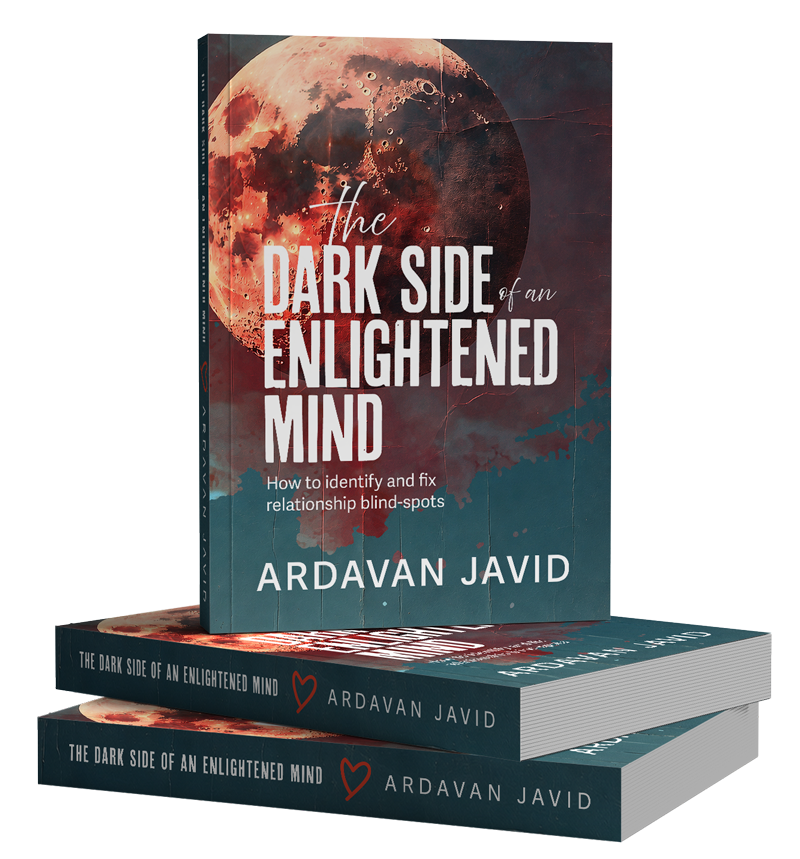

Read this holistic relationship coaching review to see how mind, heart, and spirit work can expose patterns, deepen clarity, and guide change with care.

Rebuilding self esteem after divorce takes more than positive thinking. Face the patterns, grief, and choices that help you trust yourself fully again.

Post divorce self discovery helps you face the patterns, grief, and fears your marriage exposed, so your next chapter reflects your real values and soul.

This intentional dating guide helps you date after heartbreak with clear boundaries, emotional honesty, and the self-awareness to choose a healthier love.