
You may have called it a soulmate connection because the pull felt undeniable. You could not stop thinking about them. The highs felt spiritual, fated, almost too meaningful to question. Yet between those highs, you were anxious, walking on eggshells, abandoning your needs, or waiting for the next moment of warmth to make the pain feel worth it.
That is where soulmate connection versus trauma bond becomes more than a label. It becomes a question that can change the direction of your life: Is this relationship expanding your capacity to love, or is it activating an old wound that mistakes instability for intimacy?
A powerful connection is not automatically a healthy one. Chemistry can be real. The spiritual lesson can be real. And the relationship can still be asking you to leave a cycle that has kept you blind-sighted for years.
Soulmate Connection Versus Trauma Bond: The Core Difference
A soulmate connection supports your evolution without requiring you to disappear. It may challenge you, expose your defenses, and bring unresolved fears to the surface. But the challenge has a foundation of care. You are not punished for having needs. You are not required to earn basic respect. Both people are willing to look at themselves.
A trauma bond is different. It forms through a repeated cycle of distress and relief. There may be criticism, withdrawal, dishonesty, emotional volatility, control, or cruelty, followed by affection, apologies, sexual intensity, promises, or a brief return to closeness. Your nervous system begins to associate relief with love because relief arrives through the same person who created the pain.
This is why trauma bonds can feel so profound. They are not shallow attachments. They can feel consuming, spiritual, and impossible to release. But intensity is not evidence of soul alignment.
A soulmate is not someone who repeatedly breaks your heart so you can prove how much you can endure. A soul contract may bring someone into your life to reveal a wound, but the lesson is not always to stay. Sometimes the contract is completed when you stop abandoning yourself.
Why the Confusion Feels So Personal
If you grew up around inconsistency, emotional distance, criticism, addiction, or chaos, calm love may initially feel unfamiliar. You may even experience it as boring. A steady partner does not create the adrenaline rush your system has learned to read as passion.
That does not mean you are broken. It means your mind, heart, and body may be telling different stories.
Your mind may say, “This person is not good for me.” Your heart may remember the tenderness, potential, and rare moments when you felt chosen. Your spirit may sense that the relationship carries a lesson you cannot yet name. Without reflection, those signals can become tangled together, and you may keep returning to the very situation that is draining you.
After divorce or a major breakup, this confusion can intensify. You may be grieving a long-term identity while craving certainty in your next connection. A new person who feels intensely familiar can seem like an answer. But familiar is not always safe. Familiar may simply mean your old pattern has found a new face.
Signs the Bond Is Keeping You Small
No single sign tells the whole story. People make mistakes, relationships go through seasons, and conflict alone does not equal abuse or a trauma bond. The deeper question is what happens after the rupture. Is there accountability, repair, and sustained change? Or does the same wound reopen with a different excuse?
Pay attention if you regularly find yourself:
- Feeling addicted to the good moments after periods of pain, neglect, or fear.
- Explaining away behavior you would be deeply concerned about if it happened to someone you love.
- Losing sleep, focus, friendships, self-respect, or emotional stability while trying to hold the relationship together.
- Believing that if you could just communicate better, be more patient, look better, or need less, the relationship would finally become secure.
- Confusing their vulnerability, difficult past, or potential with their willingness to treat you well now.
The most confronting sign is this: you keep negotiating against your own truth. You know something hurts, but you do not trust yourself enough to let that knowing guide your next move.
What a Soul-Aligned Relationship Actually Feels Like
A soulmate connection is not free of fear or friction. Two people with histories, needs, and imperfect communication will sometimes miss each other. The difference is that the relationship becomes a place where honesty has somewhere to go.
You can name a concern without being mocked, stonewalled, or made responsible for the other person’s reaction. You can ask for space without being threatened with abandonment. You can bring your full self into the room without constantly managing their mood.
There is attraction, but there is also steadiness. There is spiritual resonance, but there is also practical compatibility. You share values around honesty, repair, commitment, money, family, intimacy, and the kind of life you want to build. The connection does not ask you to choose between your peace and your passion.
Most of all, a soul-aligned relationship creates more truth. You become clearer about who you are. You feel more able to speak, create, rest, connect, and make decisions from self-respect. The relationship does not make you perfect. It helps you become more whole.
Do Not Use Spiritual Language to Avoid Reality
Spiritual meaning can be deeply healing when it helps you take responsibility for your growth. It becomes dangerous when it is used to spiritualize repeated harm.
Saying, “This is karmic,” may explain why a connection feels charged. It does not excuse betrayal. Saying, “We are mirrors,” may contain wisdom. It does not mean you must tolerate contempt. Saying, “We have a soul contract,” does not mean you are obligated to stay while your boundaries are ignored.
Your spiritual path should make you more honest, not easier to manipulate.
Ask yourself whether your beliefs are helping you see clearly or helping you stay attached to a fantasy. A relationship can be meaningful and still be complete. It can awaken you and still not be your destination.
How to Break the Pattern Without Shaming Yourself
The first step is not forcing yourself to stop caring. You may care deeply. You may miss them. You may still believe there was love. Healing begins when you stop making your feelings the only measure of what is true.
Start with evidence. Write down what actually happens before, during, and after conflict. Notice whether apologies are followed by changed behavior over time. Notice how your body feels around this person: settled, respected, and open, or tense, vigilant, and afraid of saying the wrong thing.
Then look at your part with compassion and courage. What fear keeps you tied to the cycle? Fear of being alone? Fear that you will not find this chemistry again? Fear that leaving means you failed? These are not character flaws. They are places asking for your attention.
This is where a different way of relating begins. Instead of asking, “How do I get them to choose me?” ask, “What would it look like to choose myself without closing my heart?” That question changes the entire conversation.
At Triple Shot Mindset, the work brings Mind, Heart, and Spirit into the same room. You examine the communication pattern and attachment response. You make space for the grief, longing, anger, and love that are still present. Then you explore the deeper lesson without turning spirituality into an excuse for self-betrayal. A paid first coaching session can help you identify the blind spot that keeps the cycle alive and decide whether repair is truly possible.
If there is emotional abuse, threats, coercion, or violence, prioritize immediate support and safety. Reach out to trusted people and qualified local resources. You do not need to diagnose the relationship perfectly before you take your own fear seriously.
You are allowed to honor what a connection taught you without giving it permission to keep hurting you. The right relationship will not require you to shrink your intuition just to keep the bond alive.
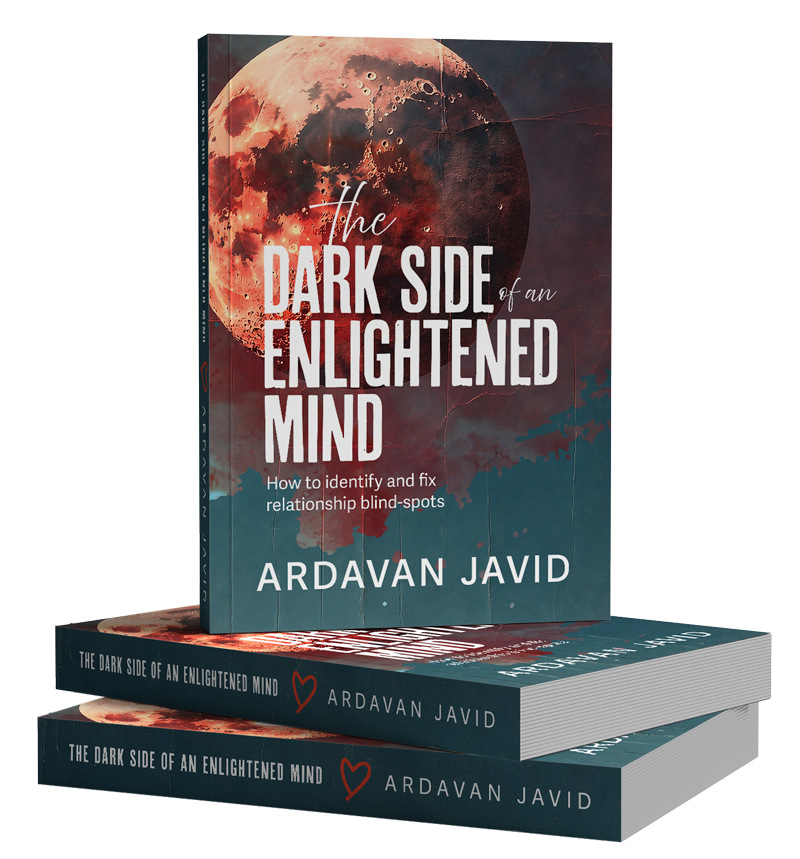

Are relationship doubts normal? Learn when uncertainty calls for honest self-examination, clearer communication, and a more conscious choice in love now.

A relationship boundaries guide for naming your limits, voicing needs, and creating honest love after hurt, distance, or divorce has deeply changed you.

Learn how to express needs calmly without shrinking, blaming, or exploding, so you can build trust, clarity, and a different way of relating with love.

Learn the top signs of emotional flooding, why your body takes over during conflict, and how to pause before fear damages connection and trust fully again.