
The question, “should I get divorced or stay married,” rarely arrives as a calm thought. It usually shows up at 2 a.m., after another cold conversation, another broken promise, another moment when you realize you barely recognize yourself inside this marriage.
You may be exhausted from carrying the emotional weight. You may still love your spouse and resent them at the same time. You may be afraid of losing your family, your finances, your identity, or the future you thought you were building. And beneath all of it is a harder fear: What if I leave and repeat the same pattern with someone else?
Do not rush past that question. Your marriage may be painful, but pain alone does not always tell you whether the relationship needs repair or release.
Do Not Make a Permanent Decision From a Temporary Emotional State
A terrible month is not automatically proof that a marriage is over. Grief, parenting stress, career pressure, illness, sexual disconnection, betrayal, and unresolved family wounds can all make a relationship feel impossible. Sometimes a couple is not incompatible. They are simply activated, depleted, and speaking from defenses instead of truth.
But you also cannot keep calling a long-standing pattern “a rough patch” when it has become your normal. If years have passed and every attempt at connection ends in blame, withdrawal, contempt, or fear, your body may already know what your mind is still trying to negotiate.
The real question is not, “Am I unhappy today?” It is: “What has this marriage consistently asked me to abandon, and what are both of us genuinely willing to change?”
That requires brutal honesty. Not blame. Not a courtroom case against your spouse. Honesty.
Before You Ask Whether to Stay, Ask Whether You Are Safe
If there is physical violence, sexual coercion, threats, stalking, financial control, intimidation, or fear of what your spouse will do when you assert yourself, this is not a standard relationship-repair question. Your safety comes first. Reach out to trusted local support, a domestic violence advocate, emergency services, or a legal professional who understands safety planning.
Spiritual language should never be used to explain away abuse. A karmic bond is not permission for someone to harm you. A soul contract is not a sentence requiring you to endure terror, humiliation, or control.
In less obvious situations, pay attention to whether you feel emotionally safe enough to be honest. Can you say, “That hurt me,” without being punished, mocked, stonewalled, or threatened? Can your spouse hear a boundary without making you responsible for their reaction? Without emotional safety, intimacy cannot take root.
What Are You Actually Trying to Leave?
Sometimes you are not trying to leave your spouse. You are trying to leave the version of yourself that has disappeared in the marriage.
Maybe you became the peacekeeper who never brings up what hurts. Maybe you became the pursuer, begging for reassurance from someone who withdraws. Maybe you chose emotional distance because closeness feels dangerous. Maybe your spouse’s behavior is real and damaging, but your old wound is shaping how you respond, what you tolerate, and what you keep choosing.
This is where the work has to go deeper than, “We just need better communication.” Communication matters. But it will not solve a pattern you do not understand.
Look at the Mind
The mind creates the stories you live inside. “If I leave, I will fail.” “If they loved me, they would know.” “I have to stay for the kids.” “No one else will want me.” “I can change them if I explain it one more time.”
Some of these thoughts may contain a piece of truth. Many are fear wearing the costume of logic. Notice which beliefs keep you frozen and which ones help you see clearly.
Listen to the Heart
Your heart holds what the arguments often conceal: grief, longing, disappointment, jealousy, shame, tenderness, and fear. You may be furious because you still care. You may feel numb because your heart has been protecting itself for years.
Ask yourself whether you still have emotional openness toward your spouse, even if it is small. Is there a desire to know them again? Is there sorrow over the distance? Or do you feel only relief when you imagine a life apart? Neither answer makes you a bad person. Both deserve your attention.
Consider the Spirit
A relationship can be a profound teacher without being a lifelong destination. Some marriages bring you face-to-face with your deepest attachment wounds, your ego defenses, and the ways you have confused love with self-erasure. That does not mean the marriage was a mistake. It means it had something to reveal.
Soul alignment is not about staying because the connection feels fated. It is about asking whether this relationship is calling both people into greater truth, responsibility, and love. If one person is committed to growth and the other is committed only to preserving the status quo, the contract may be changing.
When a Marriage May Be Repairable
A marriage has a real chance when both people can acknowledge the problem without making the other person the entire problem. There must be more than apologies after a blowup. There must be observable change: clearer boundaries, honest accountability, consistent effort, and a willingness to tolerate uncomfortable conversations.
Repair is possible when both partners are willing to examine their part. That does not mean the harm was equal. Betrayal, addiction, chronic lying, and cruelty need to be named plainly. Yet repair requires the person who caused harm to take responsibility, and the injured partner to decide whether trust can be rebuilt through time and evidence.
Watch what happens when you ask for something specific. Do they become defensive and turn it back on you? Do they promise everything and change nothing? Or do they stay present, seek help, and follow through when no one is applauding them?
Love is not proven by intensity. It is proven by repeated behavior.
When Staying Becomes Self-Abandonment
There is a difference between fighting for a marriage and fighting alone for the idea of one.
If you have spent years explaining your pain, accepting excuses, lowering your needs, and waiting for potential to become reality, staying may be less about devotion and more about fear. You may fear being alone. You may fear disrupting your children’s lives. You may fear the judgment of family, faith communities, or friends who only see the polished version of your relationship.
Those fears are real. Divorce has consequences. It can bring grief, financial strain, co-parenting complexity, loneliness, and a painful rebuilding of identity. Leaving does not instantly heal your patterns. You take your inner world with you.
But remaining in a marriage that repeatedly requires you to betray your own truth also has consequences. Your children may learn that love means silence, anxiety, or emotional disappearance. You may become more resentful, less alive, and increasingly disconnected from the person you are meant to be.
You do not need a dramatic catastrophe to decide that a relationship no longer supports a healthy life. And you do not need to prove that your spouse is evil to honor that something is no longer working.
Should I Get Divorced or Stay Married? Create a Clearer Process
Do not make this decision in the middle of a screaming match or after a single good weekend. Give yourself a defined period for discernment, if safety allows. During that time, stop relying on vague promises. Name the patterns, the needs, and the changes that would need to occur for you to remain.
A repair period works only when it has structure. Each person needs to be honest about their contribution, take action without being chased, and agree to revisit the relationship with clear eyes. Individual support can be as important as couples work, especially when trauma responses, attachment patterns, or old wounds are driving the conflict.
At Triple Shot Mindset, the Mind, Heart, and Spirit framework is designed for this deeper kind of discernment. The goal is not to talk you into staying or leaving. It is to help you see the blind spots that keep you trapped in the same cycle, so your decision comes from self-respect rather than panic.
You may also need practical guidance from a family law attorney or financial professional before making a final move. Knowing your options does not commit you to divorce. It gives fear less room to invent worst-case stories.
Let the Decision Be an Act of Truth
You are not weak because you cannot answer this quickly. You are standing at the edge of a life you once promised to protect, and that deserves care.
Whether you stay or go, the deeper invitation is the same: stop repeating the same cycle. Stop asking another person to heal the wound you refuse to face. Choose the path that lets you become more honest, more grounded, and more capable of real love.
The right next step may not be a final answer today. It may be one truthful conversation, one firm boundary, one request for support, or one moment when you finally admit what your heart has known for a long time.
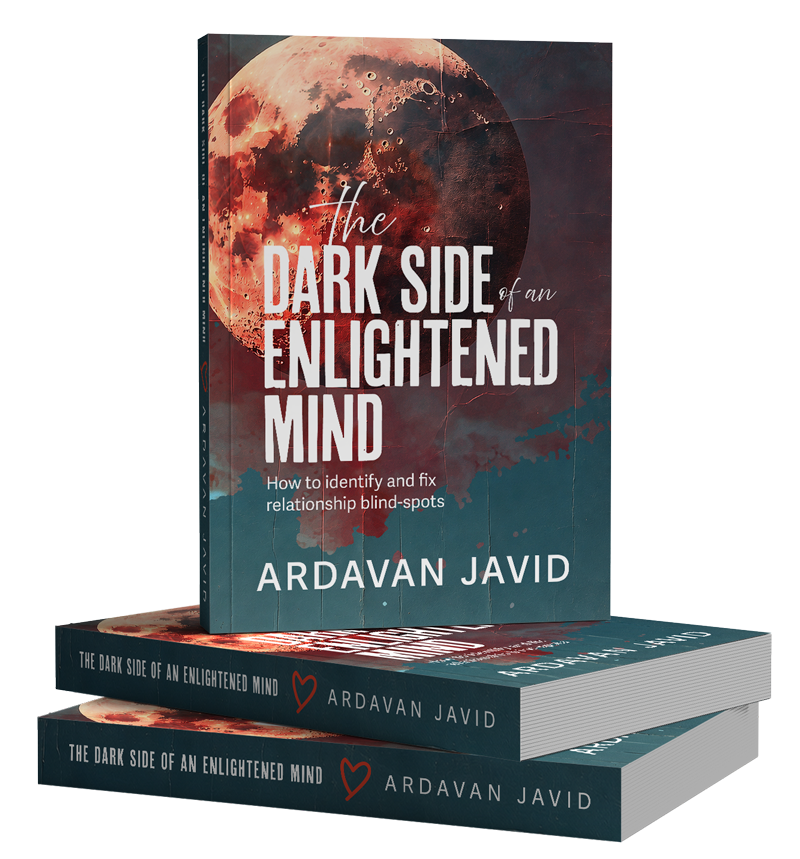

Learn how to recognize stonewalling patterns, respond without chasing, and see what silence reveals about safety, repair, and your relationship with care.

Emotional neglect can leave you questioning your needs, trust, and choices. Learn how to recognize the pattern and build a different way of relating.

This emotional boundaries guide helps you protect your peace, speak honestly, and build relationships rooted in trust, self-respect, and soul alignment daily.

Red flags after divorce can reveal unhealed wounds, fearful choices, and repeated patterns. Learn what to notice before you start dating with real clarity.